

Refinance Home Loan
When homeowners ask whether it makes sense to refinance home loan agreements they signed years ago, the honest answer depends on a precise evaluation of their current equity position, outstanding principal, applicable penalty calculations, and the net benefit achievable through a restructured mortgage product. A home loan refinance is the process of replacing your existing mortgage with a new one, typically to access equity, reduce your interest rate, consolidate higher-interest debt, or restructure repayment terms. At dominionlendingniagara.ca, the Wilson Mortgage Team has guided homeowners across the Niagara Region and Southern Ontario - including Welland, Thorold, St. Catharines, and surrounding communities - through this process using a methodology built on 65+ years of combined mortgage expertise and access to over 90 lending partners.
Understanding the mechanics of refinancing before you speak with a broker puts you in a significantly stronger position to evaluate your options. A conventional mortgage refinance in Canada allows you to borrow up to 80% of your property's current appraised value, minus the outstanding balance on your existing mortgage. That difference - the accessible equity - is what drives most refinance decisions. For example, if your home appraises at $600,000 and you carry a $350,000 remaining balance, you could potentially access up to $130,000 in equity through a refinance ($600,000 x 0.80 = $480,000 - $350,000 = $130,000). This capital can be deployed toward debt consolidation, renovation, investment, or education costs, often at mortgage rates substantially lower than unsecured credit lines or credit cards.
What Does the Refinance Process Actually Involve?
The technical sequence of a home loan refinance begins with a property appraisal to establish current fair market value, followed by a full mortgage application that accounts for your income verification, credit profile, and debt service ratios. In Canada, lenders apply two critical stress-test calculations: the Gross Debt Service (GDS) ratio, which measures housing costs as a percentage of gross income (maximum 39%), and the Total Debt Service (TDS) ratio, which includes all recurring debt obligations (maximum 44%). Applicants who fall outside these thresholds with traditional lenders may still qualify through alternative or private lending channels, which the Wilson Mortgage Team actively navigates on behalf of clients throughout Southern Ontario.
Mortgage penalties are one of the most underestimated variables in a refinance calculation. Breaking a fixed-rate mortgage before its maturity date typically triggers an Interest Rate Differential (IRD) penalty, which is calculated based on the difference between your contracted rate and the lender's current rate for the remaining term, multiplied by the outstanding principal and remaining months. Variable-rate mortgages generally carry a simpler three-month interest penalty. The Wilson Mortgage Team conducts a full break-even analysis before recommending any refinance, ensuring that the net savings over the new term outweigh the total cost of exiting the existing agreement. This is a step that separates a genuinely valuable refinance from one that benefits no one except the lender.
For self-employed borrowers and those with non-traditional income structures - a significant portion of the client base served through dominionlendingniagara.ca - the documentation requirements differ meaningfully from salaried applicants. Lenders in the A-tier (Schedule I banks and credit unions) typically require two years of T1 General tax returns, Notice of Assessment documents, and business financial statements. When stated income does not reflect true cash flow, B-lenders and private mortgage options become viable paths. Because the Wilson Mortgage Team works with over 90 lenders across multiple lending tiers, they can match your specific financial profile to the product best suited to your situation rather than forcing you into a one-size-fits-all solution.
When Does a Home Loan Refinance Make Strategic Sense?
Not every refinance delivers equal value, and timing matters considerably. The strongest case for a home loan refinance occurs when three conditions align: your property has appreciated meaningfully since your original purchase, your current interest rate is materially higher than available market rates, and the cost of breaking your existing mortgage (penalties plus legal and appraisal fees, typically ranging from $1,500 to $3,500 in professional fees alone, excluding IRD) is recovered within 24 to 36 months of interest savings. Homeowners approaching their maturity date - particularly within the final six months of a closed term - face substantially reduced or eliminated break penalties, making that window strategically valuable for refinancing discussions.
Debt consolidation is one of the most financially impactful applications of a refinance home loan strategy. Rolling high-interest unsecured debt - credit cards at 19.99% to 29.99%, personal loans at 10% to 18%, or auto loans - into a mortgage product carrying rates significantly lower can reduce monthly cash outflow by hundreds of dollars and accelerate the timeline to financial stability. Because mortgage debt is secured against the property, lenders offer considerably more favorable terms, and the compounding cost of carrying unsecured balances is eliminated. The Wilson Mortgage Team has helped clients throughout Welland, Thorold, and the broader Niagara Region restructure their debt load into a single, manageable payment without sacrificing long-term equity growth.
For homeowners who do not qualify under conventional A-lending guidelines - whether due to credit history, income documentation gaps, or property type - alternative lending solutions across Southern Ontario offer viable pathways to refinancing. These products carry higher rates (typically 5% to 9% depending on risk profile and loan-to-value ratio) but serve a critical function: they allow borrowers to stabilize their financial position, rebuild their credit profile, and transition back to A-tier lending within one to three mortgage terms. If you are exploring your options, the team at dominionlendingniagara.ca provides no-obligation consultations to map out a realistic strategy tailored to where you are right now - not just where you want to be.
Frequently Asked Questions
What does it mean to refinance a home loan?
Refinancing a home loan means replacing your existing mortgage with a new one, often with different terms, a new lender, or an increased loan amount to access built-up equity. The process involves breaking your current mortgage contract, which may trigger penalties, and entering into a new agreement that better serves your current financial goals. Homeowners typically refinance to lower their interest rate, consolidate debt, or free up equity for major expenses.
How much equity do I need to refinance my home loan in Canada?
In Canada, conventional mortgage refinancing allows you to borrow up to a maximum of 80% of your home's current appraised value, meaning you must retain at least 20% equity after the refinance is complete. If your loan-to-value ratio exceeds 80%, you will not qualify under standard insured mortgage rules for a refinance. Borrowers with less equity may have options through alternative or private lenders, though at higher interest rates and with different qualification criteria.
Will I pay a penalty to refinance my mortgage before it matures?
Breaking a fixed-rate mortgage before its maturity date typically results in an Interest Rate Differential (IRD) penalty, which is calculated based on your remaining term, outstanding balance, and the difference between your contracted rate and current comparable rates. Variable-rate mortgages generally carry a simpler three-month interest penalty, which is often much lower. The total penalty amount can range from a few hundred dollars to tens of thousands depending on your lender, term length, and current rate environment.
Can I refinance my home loan with bad credit?
Yes, homeowners with damaged or limited credit history can still refinance through alternative or private lending channels, provided there is sufficient equity in the property - typically 25% to 35% or more for higher-risk profiles. These refinance products carry higher interest rates than A-tier lenders but serve as a practical bridge to re-establish creditworthiness over one to three mortgage terms. Working with a mortgage broker who has access to multiple lending tiers significantly increases your chances of finding a suitable solution.
How long does it take to refinance a home loan?
A home loan refinance typically takes between 30 and 60 days from application to funding, depending on how quickly documentation is submitted, the complexity of the file, and the lender's processing timelines. Rush closings may be possible in 15 to 20 business days in straightforward cases, while more complex files involving appraisal disputes, title issues, or alternative lenders may require additional time. Preparing your income verification, property documents, and credit information in advance will substantially reduce delays.
Is it better to refinance or get a home equity line of credit (HELOC)?
A refinance home loan and a HELOC serve different financial purposes: a refinance replaces your entire mortgage and is best for consolidating debt, locking in a lower rate, or accessing a large lump sum, while a HELOC functions as a revolving credit facility better suited to ongoing or unpredictable expenses. Refinancing typically offers a lower fixed rate and structured repayment, whereas a HELOC provides flexibility but carries variable interest. The right choice depends on your cash flow needs, risk tolerance, and long-term financial plan.
Can self-employed individuals refinance a home loan in Canada?
Self-employed individuals can refinance a home loan in Canada, but they often face stricter documentation requirements under A-lending guidelines, including two years of T1 tax returns, Notices of Assessment, and business financial statements. When declared income does not reflect actual earnings, B-lenders and private mortgage options provide viable alternatives using stated income or alternative verification methods. A mortgage broker with access to multiple lending tiers can identify which lenders are most accommodating to self-employed income structures and match you accordingly.
Meet Cam Wilson & Wilson Mortgage Team
Mortgage, banking, underwriting, and lending expertise serving Southern Ontario.

Cam Wilson | Mortgage Agent Level 2
Founder & Team Lead
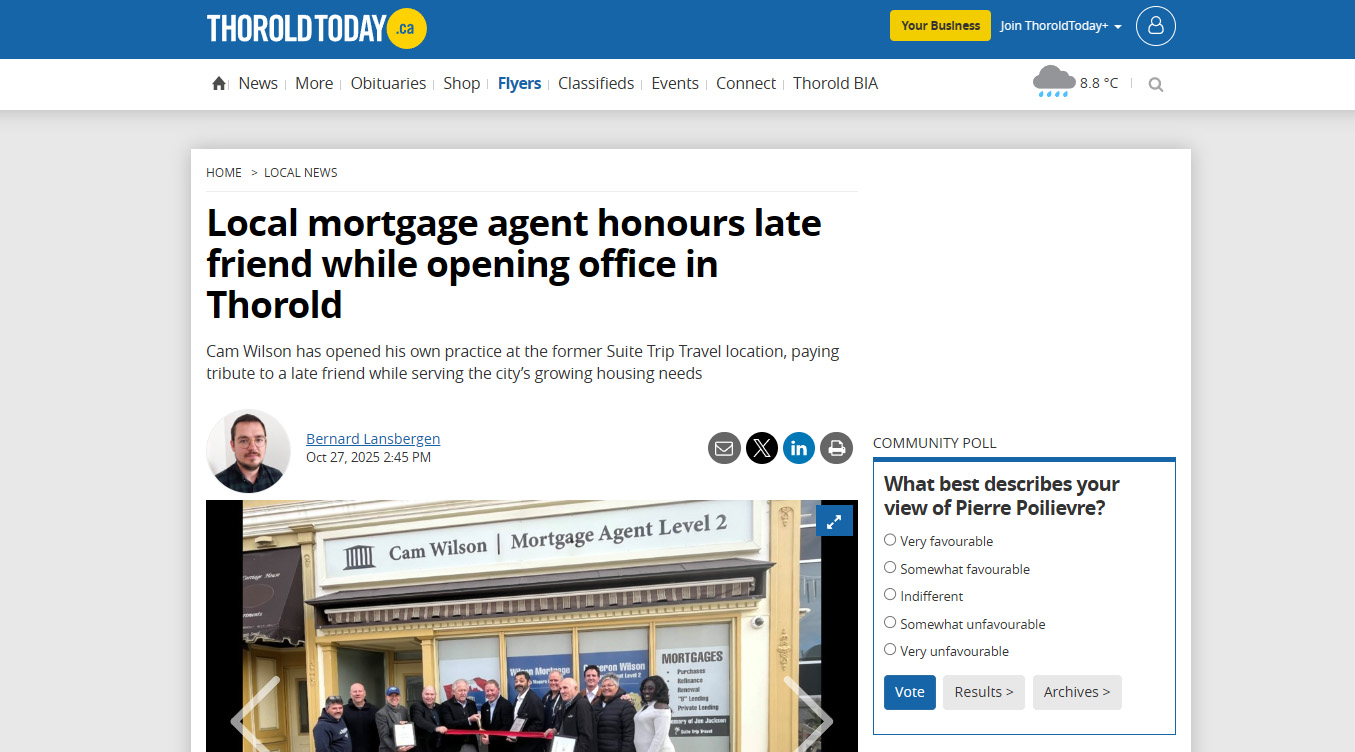
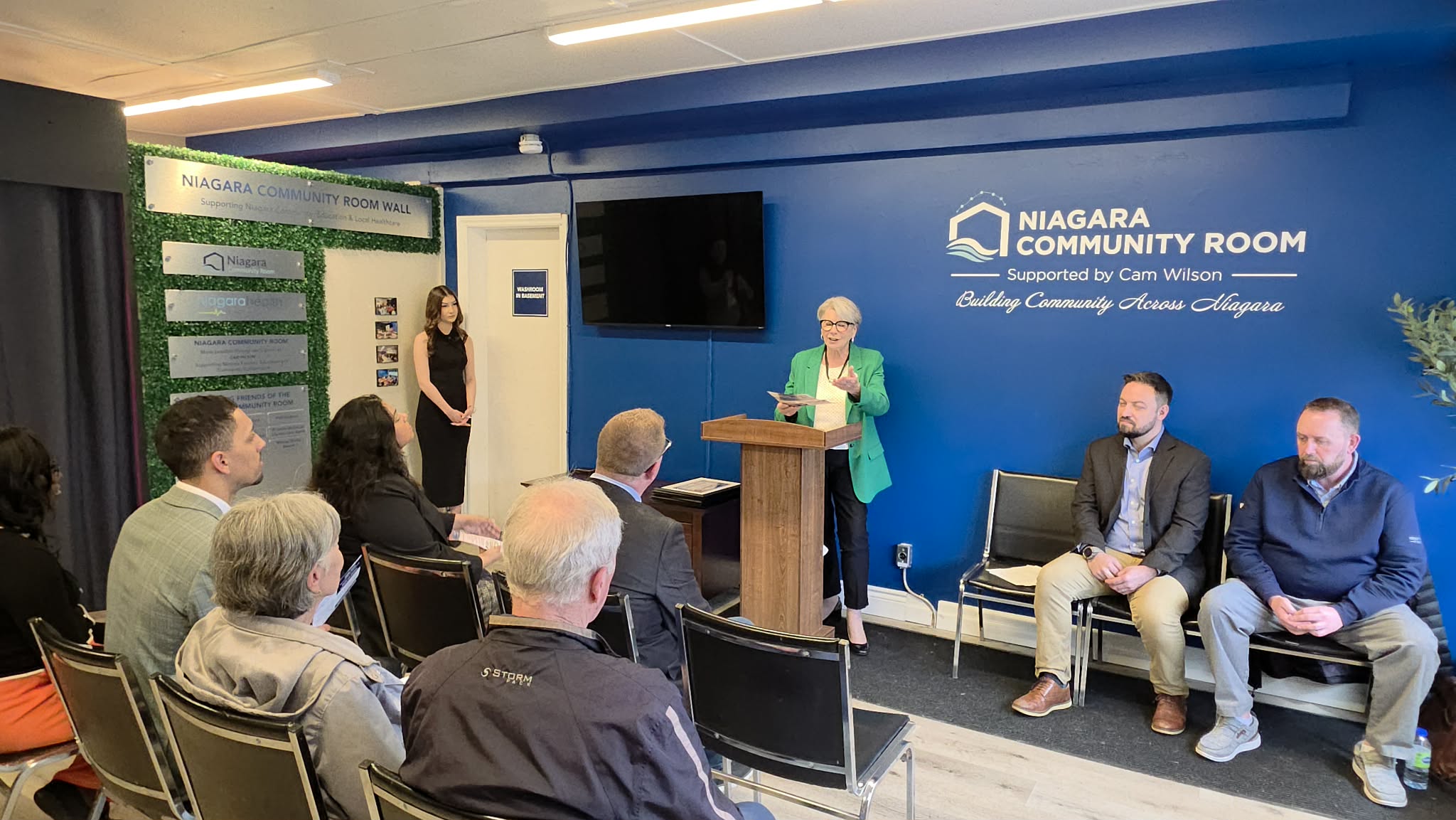
Cam Wilson has helped thousands of homeowners navigate mortgage financing throughout Niagara and Southern Ontario. He has also worked closely with local health care and local government to strengthen the local community through education on the Canadian banking and mortgage system.
Today, he leads the Wilson Mortgage Team, bringing together professionals with backgrounds in mortgage brokerage, banking, underwriting, lending, administration, and community engagement.
 Top 5% Mortgage Professional in Canada
160+ Five-Star Reviews
Thousands of Clients Assisted
Access to 90+ Lending Partners
Together, the Wilson Mortgage Team provides solutions for home purchases, renewals, refinancing, debt consolidation, alternative lending, private lending, reverse mortgages, and commercial financing.
Your Goals. Our Expertise. Your Future.
Mortgage Agents, Brokers & Industry Professionals — Learn How The Wilson Mortgage Team Can Help You Grow Your Business.
More Experience. More Perspectives. Better Outcomes.
The Wilson Mortgage Team combines over 65 years of mortgage, banking, underwriting, and lending experience to help homeowners, investors, and businesses across Niagara and Southern Ontario find the right mortgage solution.
Wilson Mortgage Team In The Community
THIRD-PARTY TRUST. COMMUNITY IMPACT. LOCAL LEADERSHIP
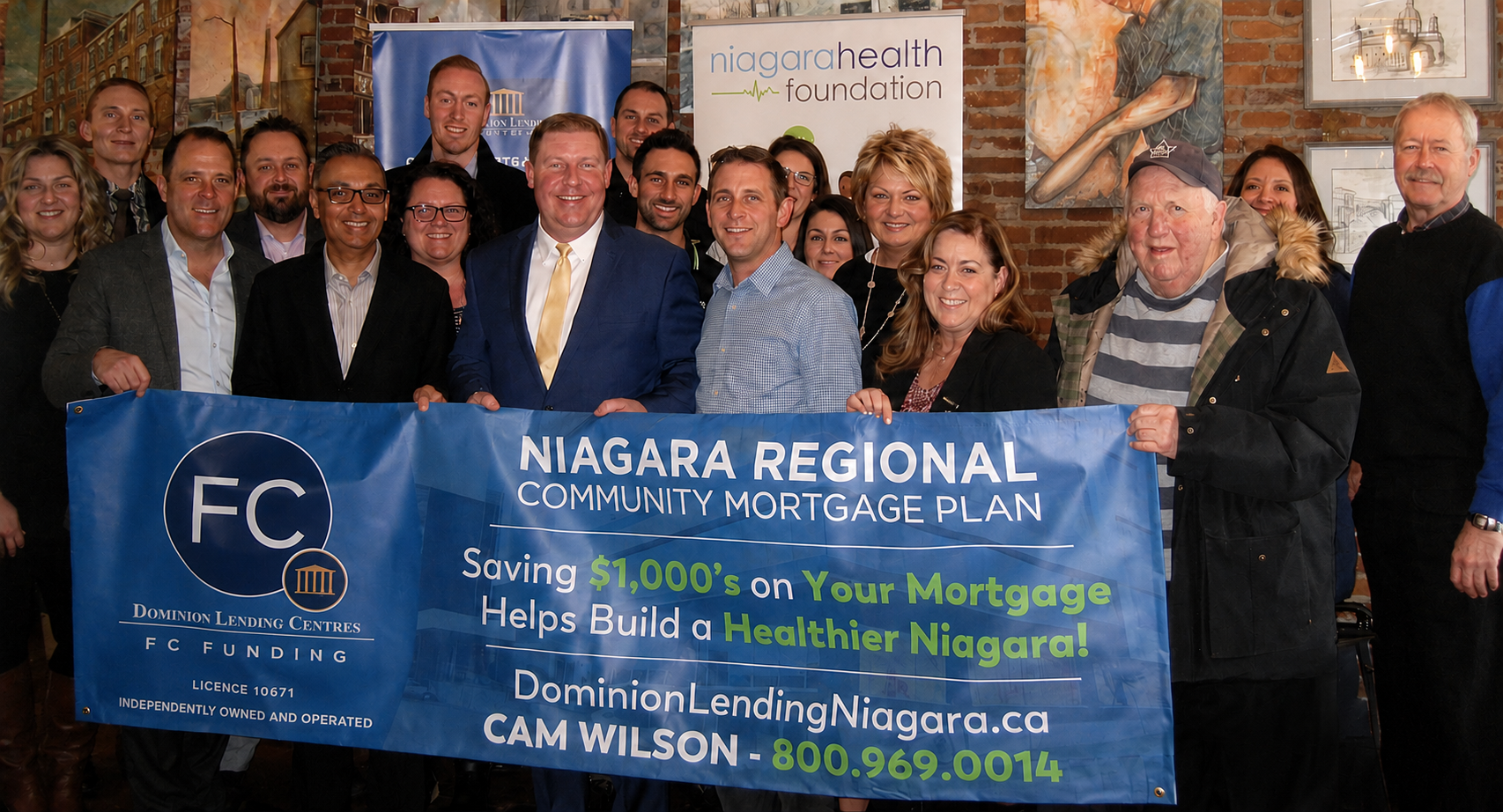
Beyond mortgage financing, our team supports local charitable initiatives, financial literacy programs, community partnerships, and projects the help strengthen Niagara.

Letter from Regional Councillor Mike Britton Supporting Cam Wilson

How Can We Help?


Where do I begin to express my gratitude for Cam. We weren’t sure if we would even get approved for a mortgage. Cam met with us in person went over all our info. He got us approved for a mortgage and even got us an incredible interest rate. We got to house hunting right away and found our dream home. We now get to renovate and build a brand new fence and call this house a home. Thank you Cam for all your help. I’m a homeowner thanks to you!!!

Meaghan Mulcair
Mortgage Services and Options
Mortgage Services
Renewing Your Mortgage?
Don’t Sign Until You Review Your Options.
Most homeowners simply sign their bank’s renewal offer.
That may be convenient, but it isn’t always the best solution.
The Wilson Mortgage Team reviews mortgage renewals every day and helps clients explore:
Lower payment options
Debt consolidation opportunities
Improved cash flow
Better mortgage structures
Alternative lending solutions when needed
A 15-minute conversation could save thousands.
Serving Southern Ontario
With offices, meeting locations, virtual appointments, and mobile service options, the Wilson Mortgage Team helps clients throughout Niagara and across Southern Ontario.
Whether you prefer an in-person meeting or a virtual consultation, we’re available when and where you need us.
St. Catharines | Thorold | Niagara Falls | Welland | Port Colborne | Fort Erie | Pelham | Grimsby | West Lincoln | Niagara-on-the-Lake | Lincoln | Wainfleet | Dunnville | Burlington | Hamilton | Ancaster | Brantford | Woodstock | London | Mississauga | Oakville | Toronto | Barrie | Orillia | Newmarket | Simcoe


Over 90 Banks, Credit Unions & Lending Partners
No single lender is right for every borrower.
Our role is to compare solutions from a wide range of lending institutions to help identify the mortgage that best aligns with your goals.
More options.
More flexibility.
Better outcomes.


Lowest IRD Mortgage Penalties in Canada
Breaking your mortgage before the end of its term can cost thousands in penalties. Many Canadians face this situation when life changes unexpectedly — moving and renting, refinancing, divorce, job loss, illness, taking advantage of lower rates, pursuing an investment opportunity, or other urgent needs.
Research shows that approximately 60% of Canadian homeowners break their mortgage before the maturity date. For fixed-rate mortgages, this typically triggers a prepayment charge known as an Interest Rate Differential (IRD) penalty — often the largest and most costly type of mortgage penalty. Our research indicates that homeowners in the Niagara Region alone incur an estimated $150 million per year in IRD penalties, largely due to a lack of awareness about how these charges are calculated and how they can be minimized. Our role is to help you choose the right mortgage product from the start — one that provides flexibility, reduces the risk of costly penalties, and keeps more of your money where it belongs: in your pocket.
With our specialized expertise and broad access to lenders across the market, you can count on objective, impartial advice focused on maximizing your financial benefit as a mortgage consumer.
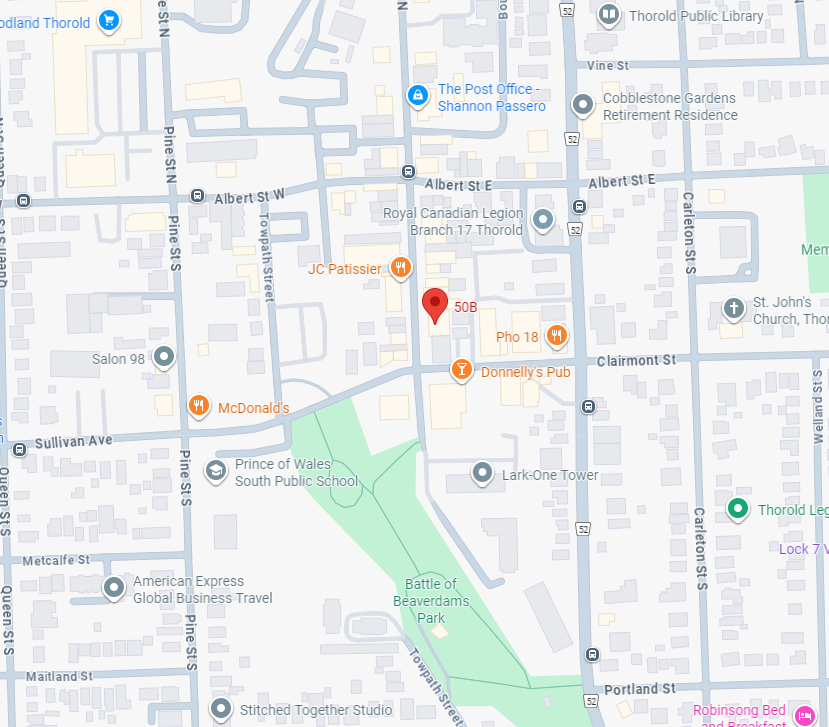
Where We’re Located & How To Reach Us
In-person appointments, virtual consultations, and mobile service through Niagara and Southern Ontario.

Book Your Mortgage Strategy Call
Every mortgage situation is different.
Tell us a little about your goals and a member of the Wilson Mortgage Team will reach out to discuss your options.