

Home Equity Loan Rates
If you have been asking yourself what home equity loan rates actually mean for your financial situation, you are in the right place. A home equity loan is a type of secured borrowing that lets you access the value you have built up in your property -- your equity -- and use it for goals like debt consolidation, home renovations, or major expenses. The rate you qualify for on that loan depends on several factors, and understanding them can make a significant difference in what you pay over time. At dominionlendingniagara.ca, the Wilson Mortgage Team helps homeowners across Niagara Region and Southern Ontario -- including Welland, Thorold, and surrounding communities -- navigate exactly these kinds of decisions with confidence.
What Determines Your Home Equity Loan Rate?
Think of your home equity loan rate as a reflection of risk and opportunity. Lenders look at how much equity you hold in your property, your credit profile, your income stability, and the current lending environment. Because your home secures the loan, lenders generally offer lower rates than unsecured products like credit cards or personal loans. As a general benchmark, home equity loan rates through traditional lenders tend to fall in a range between roughly 1% and 4% above the prime rate, though alternative and private lenders may charge higher rates in exchange for more flexible qualification criteria.
The loan-to-value ratio -- the percentage of your home's appraised value that is already mortgaged -- plays a major role. Most A-lenders will want you to retain at least 20% equity after the loan is funded. If you are closer to that threshold, or if your credit history has some bumps, your rate may edge higher. That is not a dead end, though. It simply means working with a mortgage professional who has access to a wide range of lending partners, rather than walking into a single bank and accepting whatever they offer.
How Do Home Equity Loan Rates Compare to Other Financing Options?
This is one of the most practical questions you can ask, and the answer often surprises people. Because your property acts as collateral, home equity financing consistently offers some of the most competitive rates available to Canadian homeowners. Compare that to unsecured personal loans, which can carry rates anywhere from 8% to over 20%, or credit card debt sitting at 19.99% or higher. Even a modestly higher home equity loan rate -- say, 6% to 9% through an alternative lender -- represents meaningful savings when you are consolidating significant debt.
The Wilson Mortgage Team has 65+ years of combined experience and works with 90+ lending partners, which means they can compare options across the full spectrum -- from chartered banks and credit unions to trust companies and private lenders. That breadth of access is something a single-institution relationship simply cannot offer you. When you get a true comparison, you make a better decision.
Are Home Equity Loan Rates Different for Self-Employed or Bad Credit Borrowers?
Yes, and this is worth understanding clearly. Traditional A-lenders use strict income verification and credit scoring models that can work against self-employed individuals or anyone who has gone through financial hardship. If your credit score is below 680, or if your income is documented through business financials rather than a T4, you may find that A-lender doors are narrower than expected. That is where alternative and private lending solutions become genuinely valuable.
Alternative lenders -- often called B-lenders -- price their home equity loan rates slightly higher to account for perceived risk, but they underwrite the file differently, giving weight to your property value and equity position rather than just your credit score. Private lenders go further still, with rates that reflect short-term bridge financing more than long-term amortization. For homeowners in communities like Welland or Thorold who may not fit the traditional mold, alternative lending solutions in Welland can open doors that A-lenders close. The key is working with a broker who knows how to position your file correctly.
How Can You Secure the Best Home Equity Loan Rates in Southern Ontario?
The single most effective step you can take is working with a licensed mortgage professional rather than going directly to one lender. Cam Wilson, who is recognized as a top 5% mortgage professional in Canada, leads a team that does the rate shopping for you -- across banks, credit unions, trust companies, and private lenders simultaneously. Because brokers are compensated by lenders, not by you, their incentive is to find you the most competitive rate and structure that fits your actual goals.
Preparation also matters. Gathering documentation around your property value, existing mortgage balance, income, and credit history before your consultation means your broker can present a strong, complete file to lenders. A well-packaged application routinely results in better home equity loan rates than a hasty or incomplete one. If your situation involves less-than-perfect credit, exploring poor credit mortgage options in St. Catharines alongside home equity products can reveal the most cost-effective path forward. And for those weighing private financing, understanding private mortgage options in Fort Erie gives you a fuller picture of what is available across the region.
The Wilson Mortgage Team at dominionlendingniagara.ca serves homeowners, investors, and self-employed individuals throughout Niagara Region and Southern Ontario. Whether you are exploring home equity loan rates for the first time or comparing options for a renewal, the guidance you receive here is grounded in real market knowledge and a genuine commitment to your outcome.
Frequently Asked Questions
What are typical home equity loan rates in Canada right now?
Home equity loan rates in Canada vary depending on the lender type and your financial profile. Through A-lenders like banks and credit unions, rates typically range from prime plus 0.5% to prime plus 3%, while alternative and private lenders may charge between 6% and 12% or more depending on equity position and credit history. Working with a mortgage broker gives you access to the full rate spectrum in one conversation.
Is a home equity loan rate fixed or variable?
Home equity loans can come with either fixed or variable rates depending on the product and lender you choose. A fixed rate locks in your payment for the term, providing predictability, while a variable rate fluctuates with the lender's prime rate. Home equity lines of credit (HELOCs) are typically variable, whereas lump-sum home equity loans more commonly offer fixed-rate terms.
What credit score do you need to get a good home equity loan rate?
Most A-lenders prefer a credit score of 680 or higher to qualify for their most competitive home equity loan rates. Borrowers with scores between 600 and 679 may qualify through B-lenders or alternative lenders at slightly higher rates. Even borrowers with scores below 600 may access home equity financing through private lenders, where the equity in the property carries more weight than the credit score.
How much equity do you need to qualify for a home equity loan?
Most lenders require you to retain at least 20% equity in your home after the loan is funded, meaning you can typically borrow up to 80% of your home's appraised value minus any existing mortgage balance. Some alternative and private lenders allow higher loan-to-value ratios in exchange for higher rates. The more equity you hold, the stronger your position and the better your rate is likely to be.
Can self-employed individuals get competitive home equity loan rates?
Yes, self-employed borrowers can access competitive home equity loan rates, though the lender pool may look different than it does for salaried employees. Because traditional income verification can be challenging for business owners, many self-employed borrowers work through alternative lenders or mortgage brokers who know which institutions use stated-income or net-worth-based underwriting. A strong equity position significantly improves the rate and terms available.
Is a home equity loan rate lower than a mortgage rate?
Home equity loan rates are generally comparable to or slightly higher than first mortgage rates, because they often sit in a second lien position behind your primary mortgage. A first mortgage carries the lowest rate because it has priority claim on the property in case of default. Second-position home equity loans carry more lender risk, which is reflected in a modest rate premium -- though rates still remain far lower than most unsecured borrowing options.
Does the Bank of Canada rate affect home equity loan rates?
Yes, changes to the Bank of Canada policy rate directly influence the prime rate set by Canadian lenders, which in turn affects variable-rate home equity products like HELOCs. When the Bank of Canada raises its rate, variable home equity loan rates rise accordingly, increasing your borrowing cost. Fixed-rate home equity loans are less immediately affected by rate announcements but are influenced by bond market movements over time.
Meet Cam Wilson & Wilson Mortgage Team
Mortgage, banking, underwriting, and lending expertise serving Southern Ontario.

Cam Wilson | Mortgage Agent Level 2
Founder & Team Lead
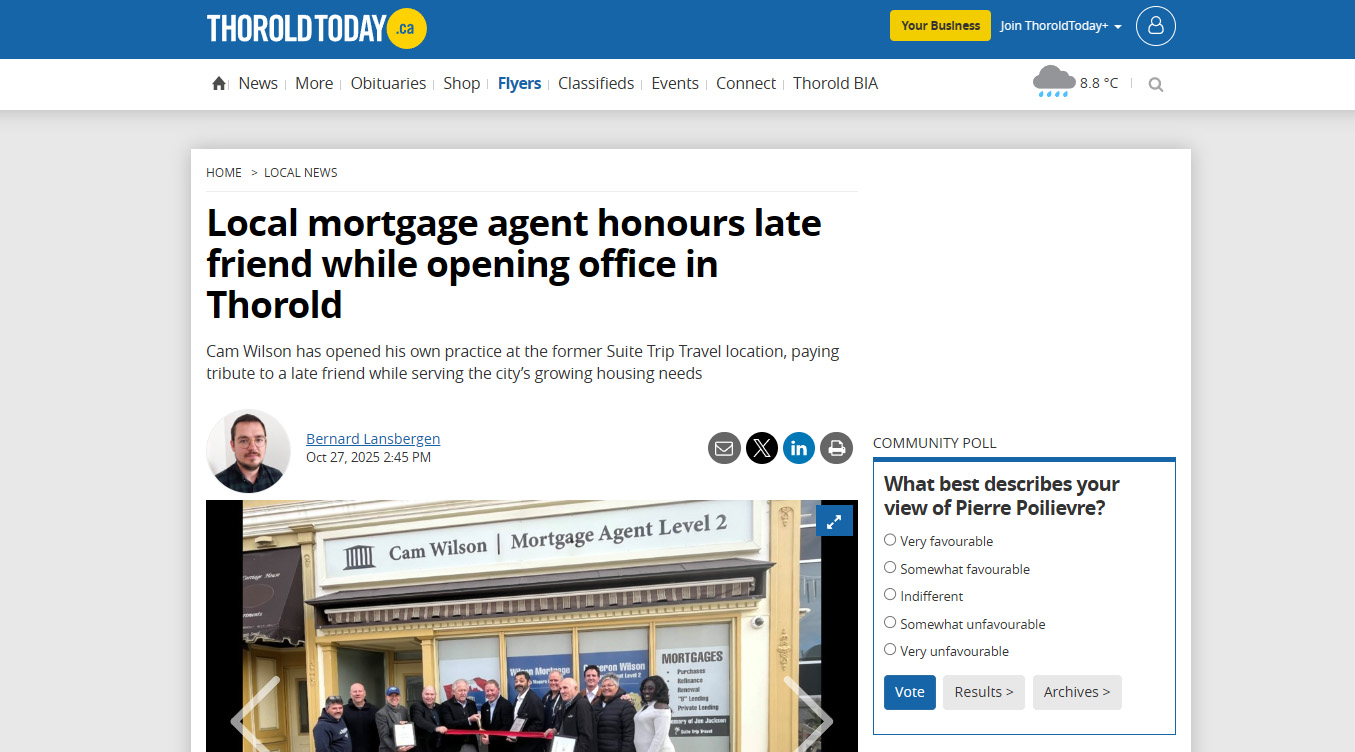
Cam Wilson has helped thousands of homeowners navigate mortgage financing throughout Niagara and Southern Ontario. He has also worked closely with local health care and local government to strengthen the local community through education on the Canadian banking and mortgage system.
Today, he leads the Wilson Mortgage Team, bringing together professionals with backgrounds in mortgage brokerage, banking, underwriting, lending, administration, and community engagement.
 Top 5% Mortgage Professional in Canada
160+ Five-Star Reviews
Thousands of Clients Assisted
Access to 90+ Lending Partners
Together, the Wilson Mortgage Team provides solutions for home purchases, renewals, refinancing, debt consolidation, alternative lending, private lending, reverse mortgages, and commercial financing.
Your Goals. Our Expertise. Your Future.
Mortgage Agents, Brokers & Industry Professionals — Learn How The Wilson Mortgage Team Can Help You Grow Your Business.
More Experience. More Perspectives. Better Outcomes.
The Wilson Mortgage Team combines over 65 years of mortgage, banking, underwriting, and lending experience to help homeowners, investors, and businesses across Niagara and Southern Ontario find the right mortgage solution.
Wilson Mortgage Team In The Community
THIRD-PARTY TRUST. COMMUNITY IMPACT. LOCAL LEADERSHIP
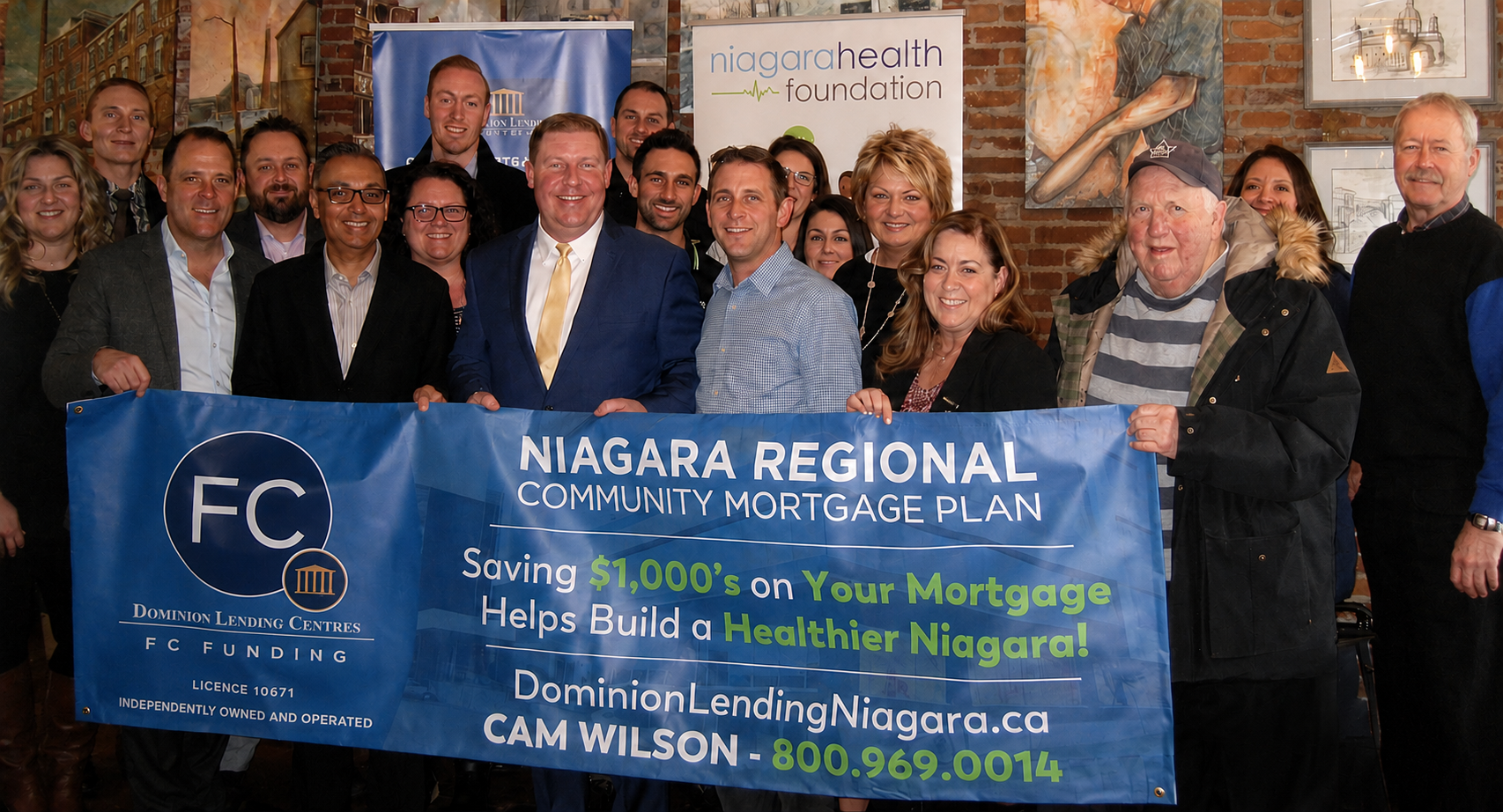
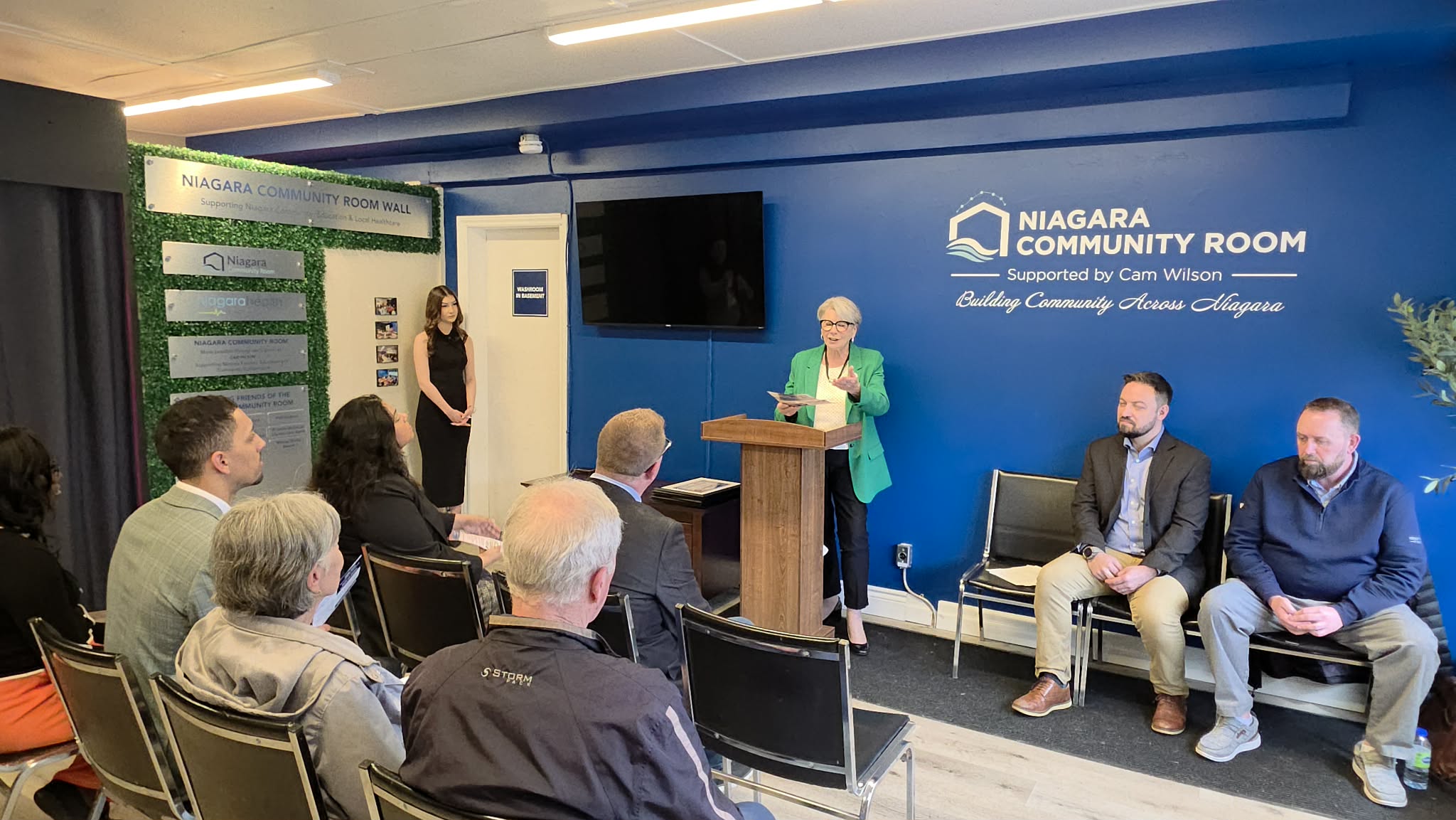
Beyond mortgage financing, our team supports local charitable initiatives, financial literacy programs, community partnerships, and projects the help strengthen Niagara.

Letter from Regional Councillor Mike Britton Supporting Cam Wilson

How Can We Help?


Where do I begin to express my gratitude for Cam. We weren’t sure if we would even get approved for a mortgage. Cam met with us in person went over all our info. He got us approved for a mortgage and even got us an incredible interest rate. We got to house hunting right away and found our dream home. We now get to renovate and build a brand new fence and call this house a home. Thank you Cam for all your help. I’m a homeowner thanks to you!!!

Meaghan Mulcair
Mortgage Services and Options
Mortgage Services
Renewing Your Mortgage?
Don’t Sign Until You Review Your Options.
Most homeowners simply sign their bank’s renewal offer.
That may be convenient, but it isn’t always the best solution.
The Wilson Mortgage Team reviews mortgage renewals every day and helps clients explore:
Lower payment options
Debt consolidation opportunities
Improved cash flow
Better mortgage structures
Alternative lending solutions when needed
A 15-minute conversation could save thousands.
Serving Southern Ontario
With offices, meeting locations, virtual appointments, and mobile service options, the Wilson Mortgage Team helps clients throughout Niagara and across Southern Ontario.
Whether you prefer an in-person meeting or a virtual consultation, we’re available when and where you need us.
St. Catharines | Thorold | Niagara Falls | Welland | Port Colborne | Fort Erie | Pelham | Grimsby | West Lincoln | Niagara-on-the-Lake | Lincoln | Wainfleet | Dunnville | Burlington | Hamilton | Ancaster | Brantford | Woodstock | London | Mississauga | Oakville | Toronto | Barrie | Orillia | Newmarket | Simcoe


Over 90 Banks, Credit Unions & Lending Partners
No single lender is right for every borrower.
Our role is to compare solutions from a wide range of lending institutions to help identify the mortgage that best aligns with your goals.
More options.
More flexibility.
Better outcomes.


Lowest IRD Mortgage Penalties in Canada
Breaking your mortgage before the end of its term can cost thousands in penalties. Many Canadians face this situation when life changes unexpectedly — moving and renting, refinancing, divorce, job loss, illness, taking advantage of lower rates, pursuing an investment opportunity, or other urgent needs.
Research shows that approximately 60% of Canadian homeowners break their mortgage before the maturity date. For fixed-rate mortgages, this typically triggers a prepayment charge known as an Interest Rate Differential (IRD) penalty — often the largest and most costly type of mortgage penalty. Our research indicates that homeowners in the Niagara Region alone incur an estimated $150 million per year in IRD penalties, largely due to a lack of awareness about how these charges are calculated and how they can be minimized. Our role is to help you choose the right mortgage product from the start — one that provides flexibility, reduces the risk of costly penalties, and keeps more of your money where it belongs: in your pocket.
With our specialized expertise and broad access to lenders across the market, you can count on objective, impartial advice focused on maximizing your financial benefit as a mortgage consumer.
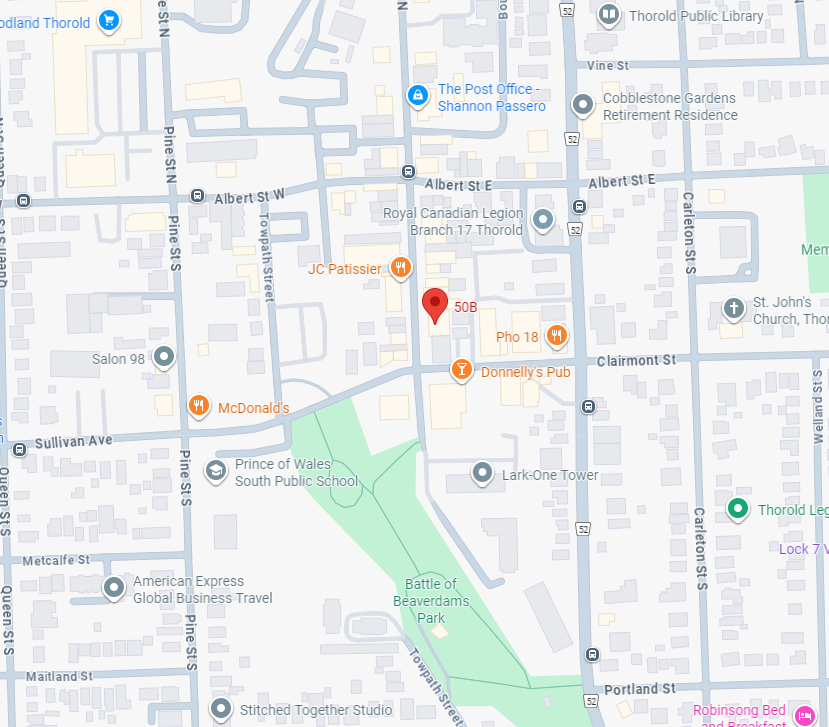
Where We’re Located & How To Reach Us
In-person appointments, virtual consultations, and mobile service through Niagara and Southern Ontario.

Book Your Mortgage Strategy Call
Every mortgage situation is different.
Tell us a little about your goals and a member of the Wilson Mortgage Team will reach out to discuss your options.