

Average Mortgage Rates
As professionals at dominionlendingniagara.ca, we field questions about average mortgage rates every single day. Simply put, average mortgage rates refer to the typical interest rates lenders charge borrowers across Canada at any given time - rates that fluctuate based on the Bank of Canada's overnight rate, bond markets, lender competition, and your personal financial profile. Understanding where rates sit on average, and more importantly, where your rate should sit, is the difference between a mortgage that serves your goals and one that quietly costs you thousands.
What Factors Actually Determine Your Mortgage Rate?
Average mortgage rates are just a starting point. Your individual rate is shaped by your credit score, down payment size, amortization period, property type, and whether you choose a fixed or variable product. A borrower with a strong credit score and a 20% down payment will almost always qualify below the published average. Someone self-employed or carrying existing debt may land above it. Because lenders assess risk differently, the same borrower can receive meaningfully different offers from different institutions - which is exactly why working with a broker who accesses 90+ lending partners matters enormously in Welland, Thorold, and across Southern Ontario.
Fixed vs. Variable: How Do They Compare to the Average?
One of the most common questions we receive is whether fixed or variable rates are currently tracking closer to the average. Here is a practical breakdown of how these two products generally compare:
| Mortgage Type | Rate Behaviour | Best For | Typical Variance from Average |
|---|---|---|---|
| Fixed Rate | Locked for term length | Stability-focused buyers | Slightly above short-term average |
| Variable Rate | Moves with prime rate | Risk-tolerant buyers | Often below fixed average at start |
| Hybrid Rate | Part fixed, part variable | Balanced risk buyers | Blended between the two |
Variable rates have historically averaged lower over a full mortgage cycle, but they carry payment uncertainty. Fixed rates offer predictability, which many Niagara Region homebuyers prioritize when budgeting for family life. There is no universally correct answer - only the right answer for your situation.
How Do I Know If I Am Getting a Rate Below the Average?
Cam Wilson and the Wilson Mortgage Team consistently rank in the top 5% of mortgage professionals in Canada - a distinction that reflects genuine access to competitive pricing. When you compare rates independently, you are typically seeing posted bank rates, which are almost never the best available. Brokers negotiate wholesale rates that the public cannot easily access on their own. The average Canadian who negotiates their mortgage without a broker leaves between 0.25% and 0.75% in savings on the table - over a 25-year amortization, that gap can represent tens of thousands of dollars.
Are Average Rates Different for Alternative or Private Lending?
Yes, significantly. If your credit history, income structure, or property type falls outside conventional lender guidelines, average mortgage rates for your situation will be higher - typically ranging from 2% to 6% above prime lending benchmarks, depending on the lender tier. B-lenders sit between major banks and private lenders in terms of rate and flexibility. alternative lending solutions in Welland and surrounding communities can still be structured competitively when the right lender is matched to the right profile. Our team specializes in exactly this kind of placement.
Should I Wait for Rates to Drop Before Buying or Renewing?
Attempting to time the market around average mortgage rates is a strategy that rarely works in practice. Rates are influenced by global economic forces that even institutional economists struggle to predict accurately. What we consistently advise clients across the Niagara Region - from Fort Erie to Niagara Falls - is to focus on what you can control: your credit profile, your debt ratios, and the terms you negotiate today. If rates fall later, a refinance or renewal is always an option. Waiting can mean missing the right property or carrying a higher balance longer. Our team at dominionlendingniagara.ca helps you model scenarios clearly so your decision is informed, not emotional.
Frequently Asked Questions
What are average mortgage rates in Canada right now?
Average mortgage rates in Canada vary based on product type and lender, but they are directly tied to the Bank of Canada overnight rate and Government of Canada bond yields. Fixed rates and variable rates track different benchmarks, so the two averages move independently. A licensed mortgage broker can show you current rates across 90+ lenders, giving you a far more accurate picture than any single bank's published rate.
How much does your credit score affect your mortgage rate compared to the average?
Your credit score has a direct and measurable impact on the rate you are offered relative to the average. Borrowers with scores above 720 typically qualify for the most competitive rates, while scores below 650 can push your rate 1% to 3% or more above the average depending on the lender tier. Improving your credit before applying - or working with a broker who specializes in alternative lending - can significantly close that gap.
Is a variable rate mortgage below the average a good deal?
A variable rate below the fixed-rate average is not automatically the better deal - it depends on how long you hold the mortgage and how rates move during your term. Historically, variable rates have cost less over a full amortization cycle, but they carry the risk of payment increases if prime rises. The right choice depends on your financial stability, risk tolerance, and how long you plan to stay in the property.
What is the difference between the posted rate and the average mortgage rate?
Posted rates are the rates banks advertise publicly and are almost always higher than what borrowers actually pay. The average mortgage rate typically refers to what approved borrowers are actually receiving after negotiation and discounting. Mortgage brokers have access to discounted wholesale rates that are not publicly advertised, which is why broker clients frequently secure rates well below the posted average.
Do self-employed borrowers pay higher than average mortgage rates?
Self-employed borrowers often face rates above the standard average because lenders view variable or undocumented income as higher risk, particularly when traditional income verification documents are unavailable. However, with the right lender match and proper documentation of business income - such as NOAs, bank statements, or stated income programs - many self-employed borrowers in Southern Ontario can still access competitive rates close to the conventional average.
Meet Cam Wilson & Wilson Mortgage Team
Mortgage, banking, underwriting, and lending expertise serving Southern Ontario.

Cam Wilson | Mortgage Agent Level 2
Founder & Team Lead
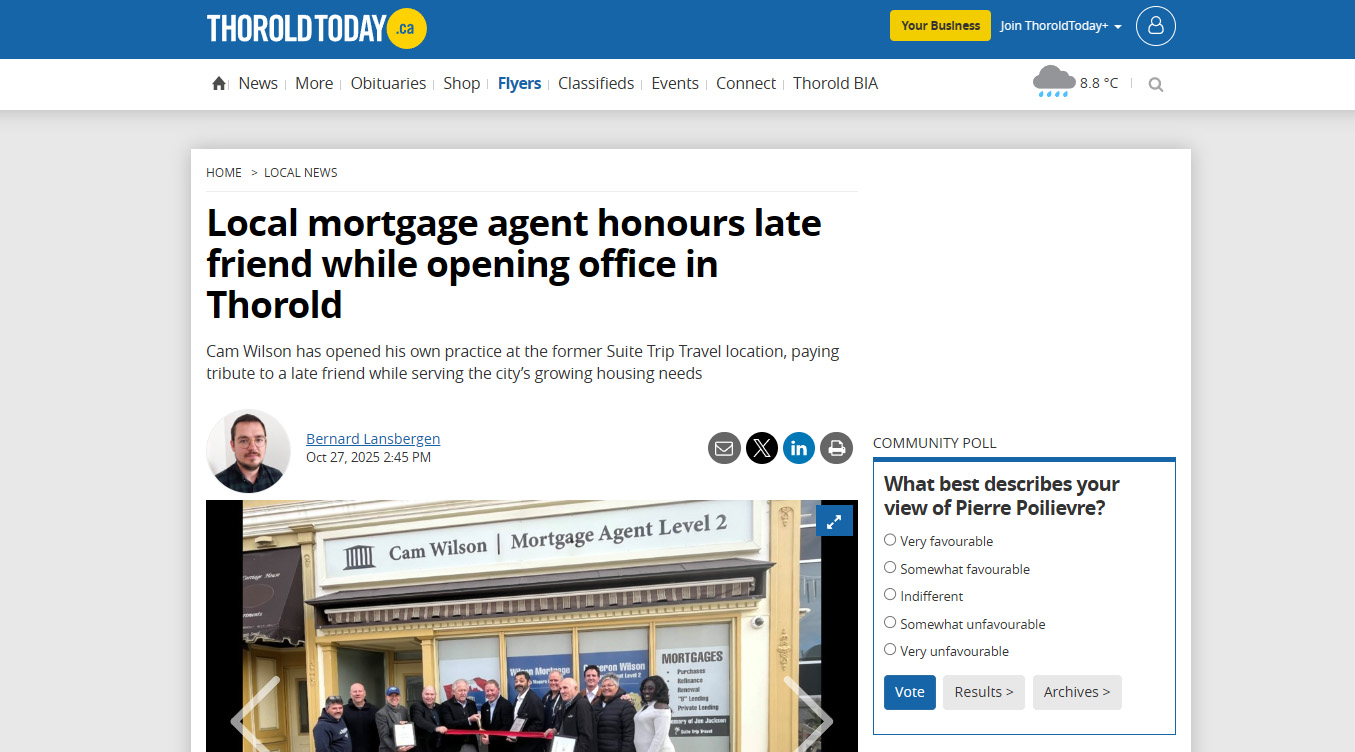
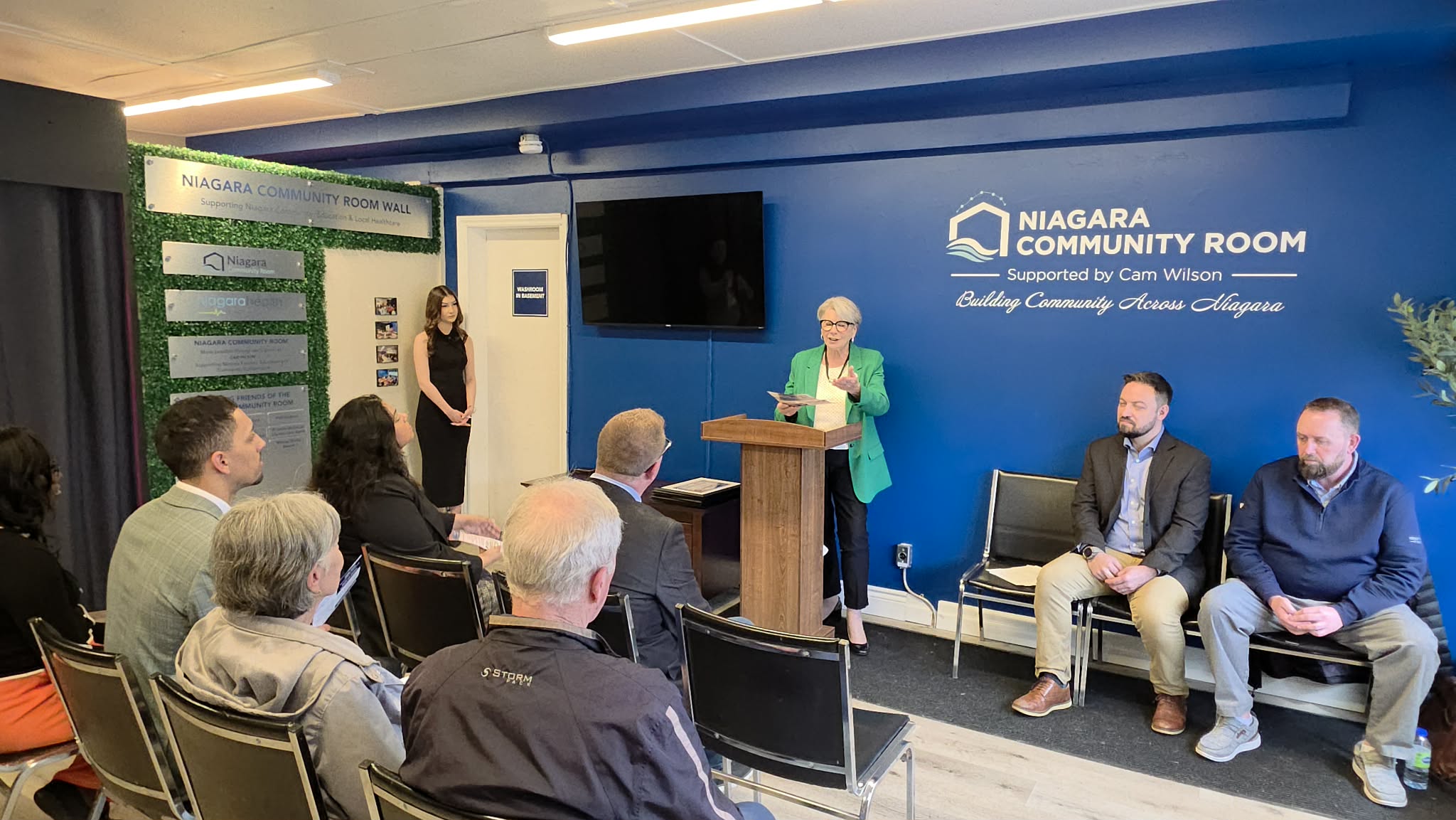
Cam Wilson has helped thousands of homeowners navigate mortgage financing throughout Niagara and Southern Ontario. He has also worked closely with local health care and local government to strengthen the local community through education on the Canadian banking and mortgage system.
Today, he leads the Wilson Mortgage Team, bringing together professionals with backgrounds in mortgage brokerage, banking, underwriting, lending, administration, and community engagement.
 Top 5% Mortgage Professional in Canada
160+ Five-Star Reviews
Thousands of Clients Assisted
Access to 90+ Lending Partners
Together, the Wilson Mortgage Team provides solutions for home purchases, renewals, refinancing, debt consolidation, alternative lending, private lending, reverse mortgages, and commercial financing.
Your Goals. Our Expertise. Your Future.
Mortgage Agents, Brokers & Industry Professionals — Learn How The Wilson Mortgage Team Can Help You Grow Your Business.
More Experience. More Perspectives. Better Outcomes.
The Wilson Mortgage Team combines over 65 years of mortgage, banking, underwriting, and lending experience to help homeowners, investors, and businesses across Niagara and Southern Ontario find the right mortgage solution.
Wilson Mortgage Team In The Community
THIRD-PARTY TRUST. COMMUNITY IMPACT. LOCAL LEADERSHIP
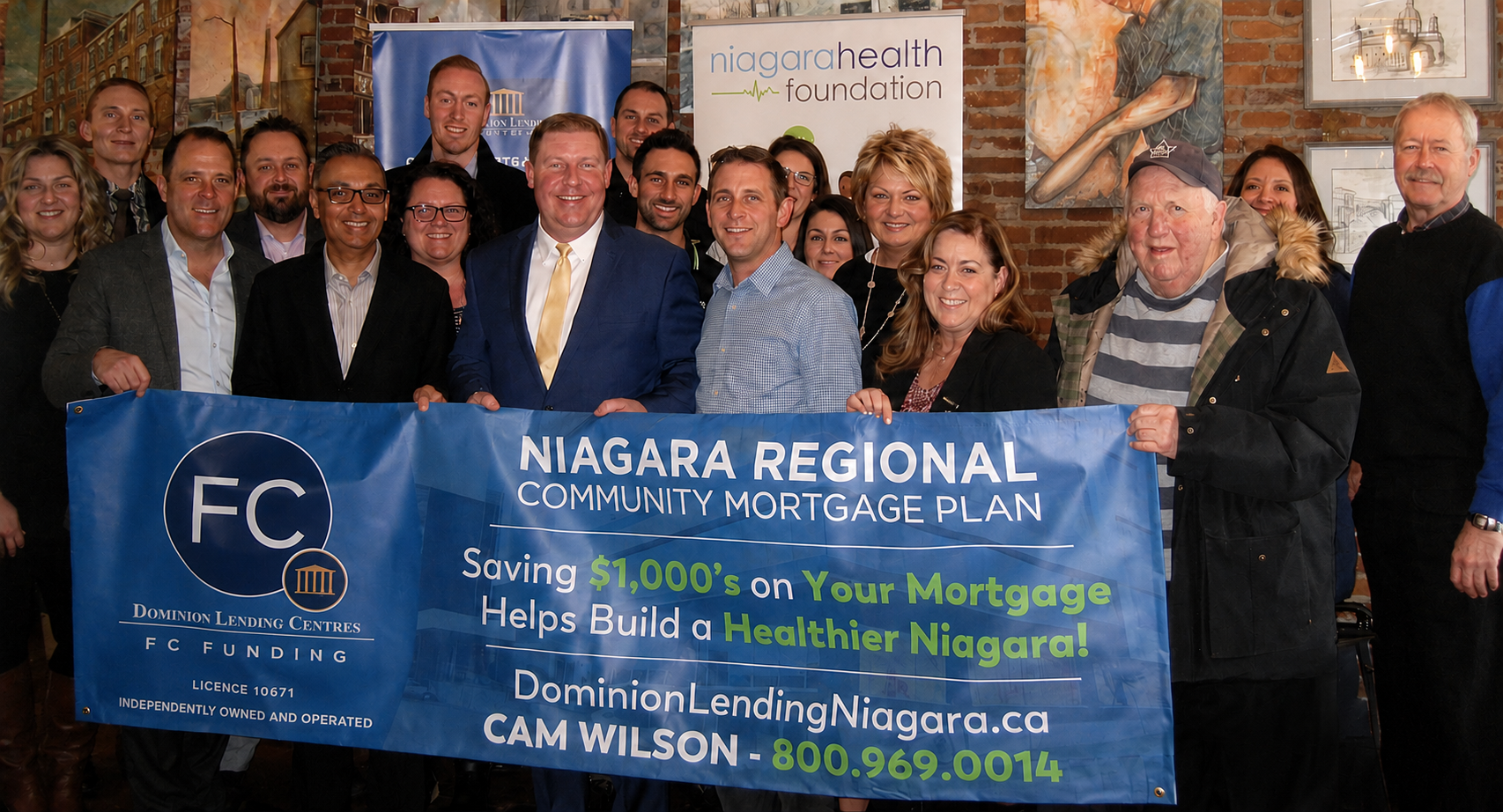
Beyond mortgage financing, our team supports local charitable initiatives, financial literacy programs, community partnerships, and projects the help strengthen Niagara.

Letter from Regional Councillor Mike Britton Supporting Cam Wilson

How Can We Help?


Where do I begin to express my gratitude for Cam. We weren’t sure if we would even get approved for a mortgage. Cam met with us in person went over all our info. He got us approved for a mortgage and even got us an incredible interest rate. We got to house hunting right away and found our dream home. We now get to renovate and build a brand new fence and call this house a home. Thank you Cam for all your help. I’m a homeowner thanks to you!!!

Meaghan Mulcair
Mortgage Services and Options
Mortgage Services
Renewing Your Mortgage?
Don’t Sign Until You Review Your Options.
Most homeowners simply sign their bank’s renewal offer.
That may be convenient, but it isn’t always the best solution.
The Wilson Mortgage Team reviews mortgage renewals every day and helps clients explore:
Lower payment options
Debt consolidation opportunities
Improved cash flow
Better mortgage structures
Alternative lending solutions when needed
A 15-minute conversation could save thousands.
Serving Southern Ontario
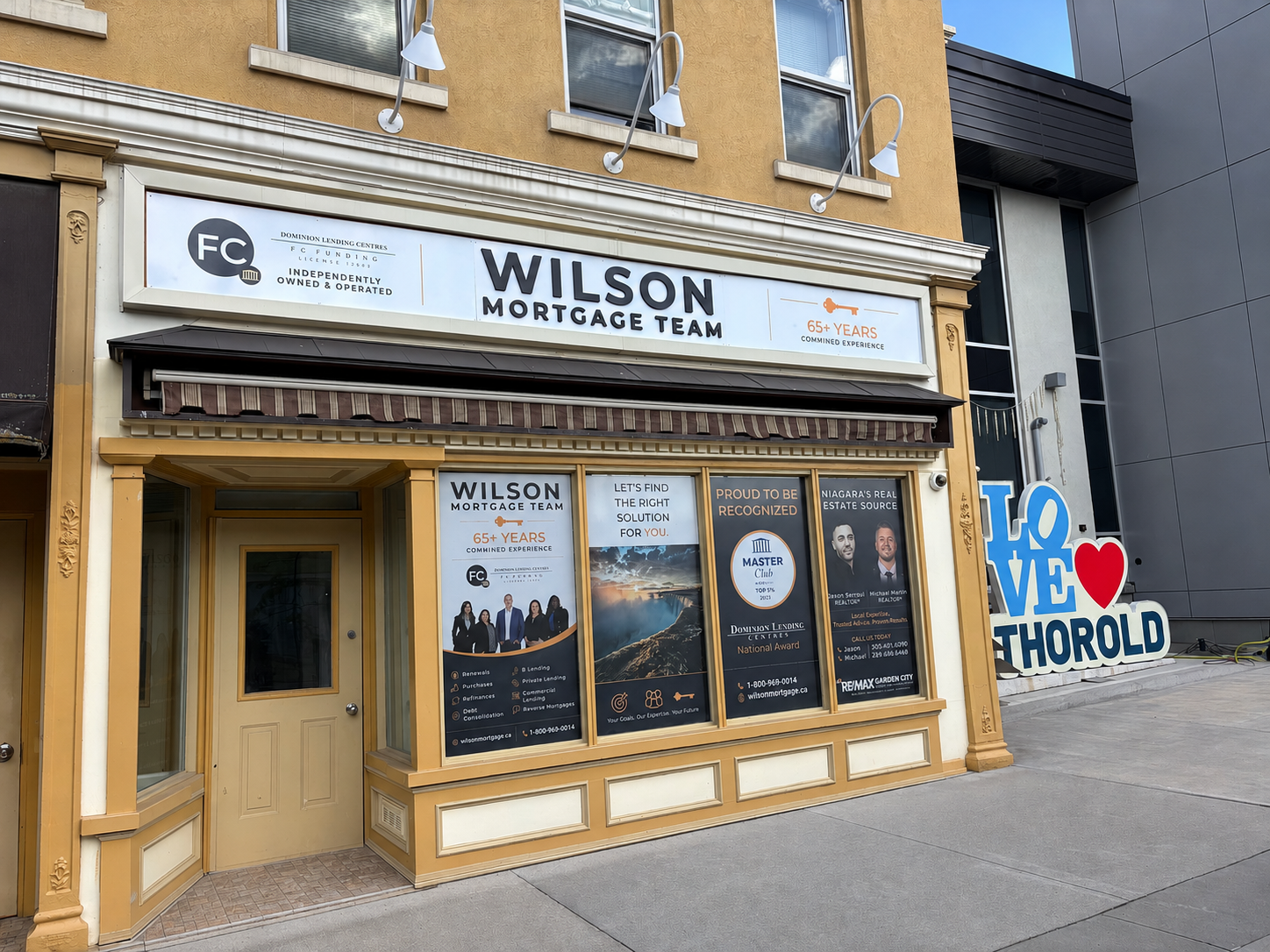
With offices, meeting locations, virtual appointments, and mobile service options, the Wilson Mortgage Team helps clients throughout Niagara and across Southern Ontario.
Whether you prefer an in-person meeting or a virtual consultation, we’re available when and where you need us.
St. Catharines | Thorold | Niagara Falls | Welland | Port Colborne | Fort Erie | Pelham | Grimsby | West Lincoln | Niagara-on-the-Lake | Lincoln | Wainfleet | Dunnville | Burlington | Hamilton | Ancaster | Brantford | Woodstock | London | Mississauga | Oakville | Toronto | Barrie | Orillia | Newmarket | Simcoe
Over 90 Banks, Credit Unions & Lending Partners
No single lender is right for every borrower.
Our role is to compare solutions from a wide range of lending institutions to help identify the mortgage that best aligns with your goals.
More options.
More flexibility.
Better outcomes.


Lowest IRD Mortgage Penalties in Canada
Breaking your mortgage before the end of its term can cost thousands in penalties. Many Canadians face this situation when life changes unexpectedly — moving and renting, refinancing, divorce, job loss, illness, taking advantage of lower rates, pursuing an investment opportunity, or other urgent needs.
Research shows that approximately 60% of Canadian homeowners break their mortgage before the maturity date. For fixed-rate mortgages, this typically triggers a prepayment charge known as an Interest Rate Differential (IRD) penalty — often the largest and most costly type of mortgage penalty. Our research indicates that homeowners in the Niagara Region alone incur an estimated $150 million per year in IRD penalties, largely due to a lack of awareness about how these charges are calculated and how they can be minimized. Our role is to help you choose the right mortgage product from the start — one that provides flexibility, reduces the risk of costly penalties, and keeps more of your money where it belongs: in your pocket.
With our specialized expertise and broad access to lenders across the market, you can count on objective, impartial advice focused on maximizing your financial benefit as a mortgage consumer.
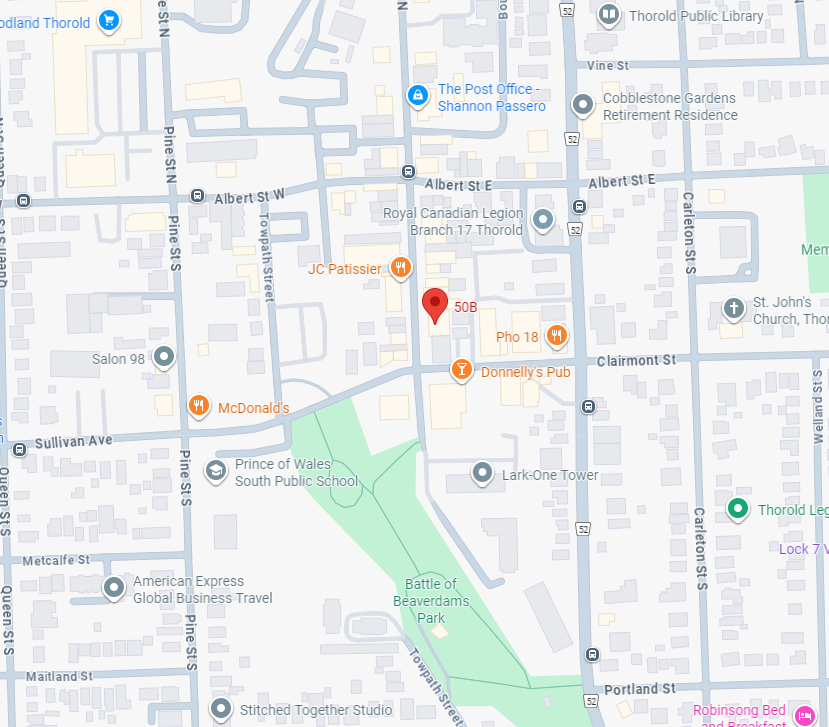
Where We’re Located & How To Reach Us
In-person appointments, virtual consultations, and mobile service through Niagara and Southern Ontario.

Book Your Mortgage Strategy Call
Every mortgage situation is different.
Tell us a little about your goals and a member of the Wilson Mortgage Team will reach out to discuss your options.